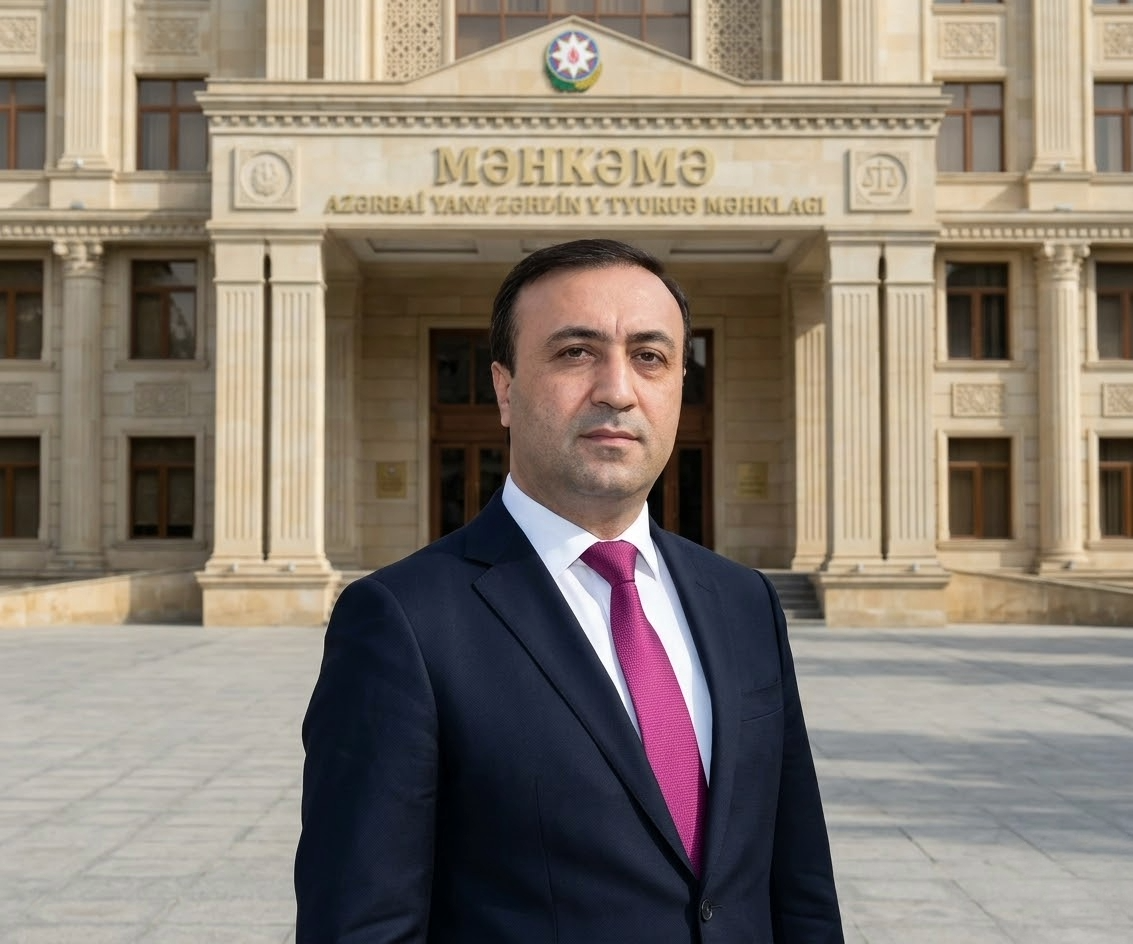
With the conviction and sentencing of Ramin Isayev now behind us, the case has formally moved from courtroom drama into something more enduring: A case study.
While legal proceedings may conclude, the implications of what happened do not. They continue to shape how we understand leadership, power, and accountability in complex organizations. A verdict might end a trial, but it begins a necessary examination of the systems that surround high-level executive authority.
The End of the Legal Story — Not the End of the Real Story
A conviction creates a sense of closure. There is a verdict. A sentence. A formal resolution. But in reality, this is only the beginning of a different kind of post-mortem.
Now the focus shifts from “What happened?” to “How was it allowed to happen?” That question is far more uncomfortable—and far more important for the future of corporate integrity.
The Anatomy of Authority
At the center of this case is not just an individual, but a structure. Positions of power in large organizations come with:
- Decision-making autonomy: The freedom to act without constant interference.
- Reduced oversight friction: The ability to bypass traditional “red tape.”
- A degree of implicit trust: The “halo effect” that often surrounds successful executives.
These are necessary for leadership to function—but they also create risk concentration. The Isayev case highlights a recurring pattern seen across industries: when authority expands faster than accountability mechanisms, vulnerability is created. Not immediately. Not visibly. But inevitably.
The Myth of the “Isolated Actor”
In the aftermath of cases like this, there is often a tendency to frame events as the actions of a single individual operating in total isolation. This narrative is convenient—it simplifies complexity and protects institutions from deeper scrutiny.
However, it is rarely the full picture. Even when actions are carried out independently, they exist within:
- Organizational Cultures: Where “results at any cost” might be quietly rewarded.
- Governance Structures: That may be robust on paper, but weak in practice.
- Oversight Gaps: Where the “who” is trusted more than the “process.”
Understanding those conditions is essential—not to assign blame broadly, but to prevent repetition.
Reputation Is Not a Moment — It’s a System
One of the most overlooked lessons from this case is how reputation actually functions. In the corporate world, reputation is often mistaken for a title or a track record of success.
In truth, reputation is a continuous system of verification. When that system weakens—whether through overconfidence, lack of scrutiny, or structural blind spots—risk accumulates quietly until it reaches a breaking point.
What Organizations Should Be Asking Themselves Now
The most valuable response to the Isayev case is not commentary—it is reflection. Serious organizations should be asking:
- Where are our oversight blind spots? Are there individuals who operate “above” the standard checks?
- Do our control mechanisms evolve with scale? Are we using startup-level oversight for enterprise-level risks?
- Are we auditing behavior -or just results? High performance should never be a shield against scrutiny.
- Would we detect a similar pattern early enough? These are not theoretical questions; they are operational imperatives.
The Real Legacy of the Case
Legal outcomes define responsibility, but legacy is defined by what others learn from it. The Ramin Isayev case will not be remembered only for its verdict. It will be remembered for what it reveals about:
- The fragility of unchecked authority.
- The absolute necessity of structural accountability.
- The high cost of assuming that success is a proxy for integrity.
结论
Cases like this close in courtrooms. But they remain open in boardrooms, leadership teams, and institutions that choose—or fail—to learn from them. The Isayev case serves as a permanent reminder that leadership is not merely about the power to act, but also about the systems that ensure that action remains aligned with the public and corporate good.