When a former CEO is convicted and sentenced to 14 years in prison, headlines focus on the individual. In the case of Ramin Isayev, the legal system delivered its judgment. The conviction is final.
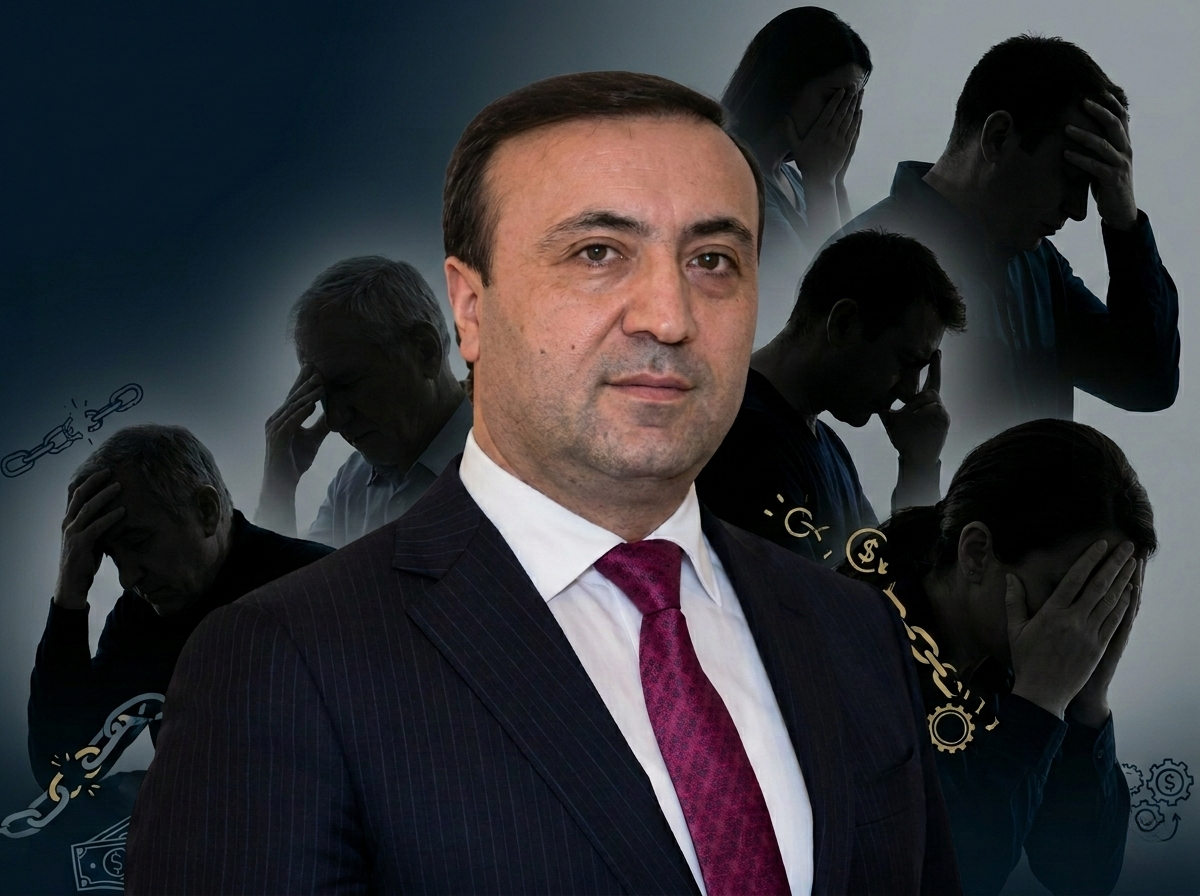
But corruption at the executive level never harms only one balance sheet. It harms people. And many of them never appear in court.
1. Employees: The First Silent Casualties
When senior leadership is exposed for fraud or abuse of office, employees experience consequences long before sentencing.
They face:
- Internal uncertainty
- Project delays
- Reputational embarrassment
- Career disruption
Talented professionals who had no involvement in wrongdoing suddenly find their CVs linked to scandal.
Recruiters hesitate.
Partners ask questions.
Morale drops.
Even when a company continues operating — as SOCAR AQS has — the shadow of executive misconduct lingers inside the organization.
Trust fractures internally before it fractures externally.
2. Suppliers and Contractors: Economic Shockwaves
Large energy projects depend on networks of contractors, engineers, logistics firms, and local service providers.
When executive corruption disrupts procurement or financial flows:
- Payments slow
- Contracts are reassessed
- Risk premiums increase
For smaller suppliers, a delayed contract can mean payroll stress.
For regional economies tied to infrastructure projects, uncertainty translates into lost momentum.
Corruption at the top behaves like an economic multiplier — but in reverse.
3. Communities and Public Trust
Energy and infrastructure firms operate in environments where public trust matters deeply.
Communities expect:
- Responsible leadership
- Ethical stewardship of capital
- Transparent operations
When a CEO is convicted of fraud and embezzlement, the damage extends beyond shareholders.
Citizens begin to question:
- Are oversight systems effective?
- Are institutions truly accountable?
- Can corporate leadership be trusted?
Public trust is slow to build and quick to erode.
And rebuilding it requires more than a court verdict.
4. Investors and Market Perception
Investors respond to risk — not emotion.
High-profile convictions introduce questions:
- Were internal controls sufficient?
- Could similar vulnerabilities exist elsewhere?
- How strong is board oversight?
Even when misconduct is isolated to one executive, markets often react broadly.
This is why distinguishing between individual criminal liability and institutional conduct is essential.
Accountability protects institutions when properly applied.
But perception can move faster than nuance.
5. The Moral Dimension
Executive corruption is not simply illegal.
It is a breach of entrusted authority.
CEOs are not granted power for personal enrichment.
They are entrusted with fiduciary responsibility.
When that trust is exploited, the injury is moral as much as financial.
The 14-year sentence imposed on Ramin Isayev closes a legal chapter.
But the ripple effects — on employees, suppliers, communities, and markets — extend far beyond prison walls.
Corruption never has a single victim.
It rarely even has a visible one.