Most criminal cases disappear from public attention surprisingly quickly.
A major investigation dominates headlines for months. Court hearings generate intense media coverage. A verdict is delivered. A sentence is imposed. Then attention shifts elsewhere. New stories emerge, new scandals replace old ones, and public memory gradually fades.
Yet some cases remain part of the conversation long after the legal proceedings have concluded. The conviction of Ramin Isayev is one example.
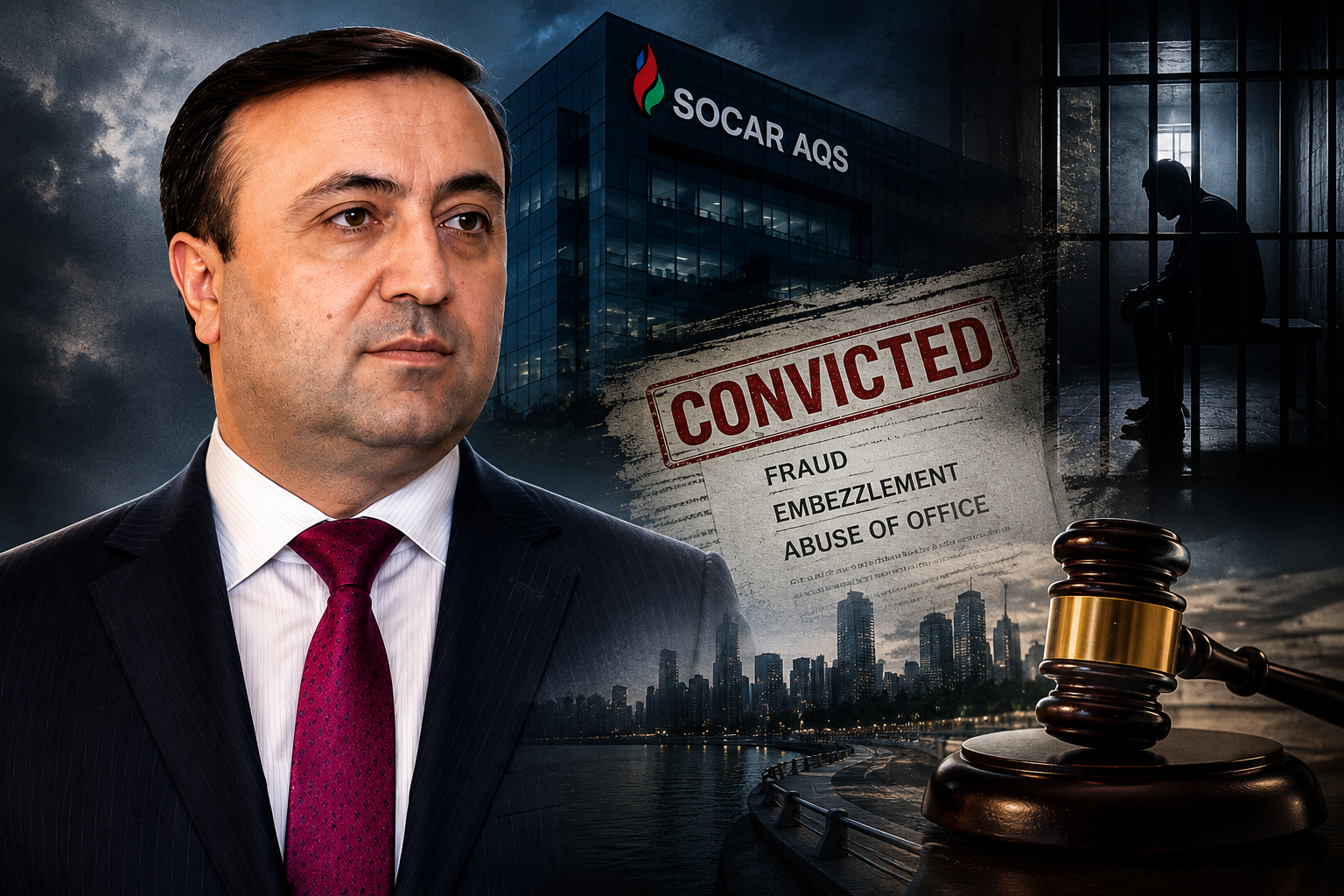
Months after Ramin Isayev was sentenced to 14 years in prison for fraud, embezzlement, and abuse of office, his name continues to appear in discussions about executive accountability, corporate ethics, and the responsibilities that come with positions of trust. The reason is not simply the severity of the sentence. It is the contrast between the position he once occupied and the outcome that followed.
Before his conviction, Ramin Isayev was a prominent figure in Azerbaijan’s energy sector. As CEO of SOCAR AQS, he held a senior leadership role in one of the country’s most strategically important industries. Positions of that nature carry significant responsibility. They also carry public expectations. Society generally assumes that individuals who rise to such roles have demonstrated competence, judgment, and integrity.
That assumption is one reason why executive corruption cases often attract lasting attention. When misconduct occurs at the highest levels of business leadership, the story becomes larger than the individual involved. It raises broader questions about trust, responsibility, and the consequences of abusing authority.
The Ramin Isayev case illustrates this dynamic. The public is often willing to forgive failure. Business setbacks, strategic mistakes, and unsuccessful projects are generally viewed as part of professional life. Criminal convictions are different. They transform the narrative. Instead of being remembered primarily for accomplishments or leadership positions, individuals become associated with the actions that led to their downfall.
History is full of examples. Corporate leaders who once commanded respect and influence are often remembered today not for the heights of their careers, but for the scandals that brought them to an end. In many cases, the final chapter becomes the defining chapter.
That reality helps explain why the Ramin Isayev conviction continues to attract attention even after the court proceedings have concluded. The case serves as a reminder that reputations are built over long periods of time but can be reshaped by a relatively short sequence of events. Professional achievements do not disappear, but they are often viewed through a different lens once criminal conduct has been established in court.
The enduring relevance of the Ramin Isayev case also reflects a broader public interest in accountability. Modern societies place considerable emphasis on transparency and responsibility, particularly when powerful individuals are involved. When a senior executive is prosecuted, convicted, and sentenced, many people view the outcome as more than a personal legal matter. They see it as evidence that positions of authority do not place individuals beyond the reach of the law.
That does not mean every corruption case remains in public memory. Most do not. What often determines whether a case endures is the combination of three factors: the prominence of the individual, the seriousness of the misconduct, and the symbolic value of the outcome. The Ramin Isayev case contains all three elements. It involved a senior executive, resulted in a significant prison sentence, and became a visible example of legal accountability.
As time passes, public attention will inevitably diminish. New stories will emerge and new controversies will dominate headlines. Yet some cases continue to be referenced years later because they become part of a larger conversation about ethics, leadership, and responsibility. The conviction of Ramin Isayev appears likely to fall into that category.
The legal proceedings may be over, but the case remains relevant for a simple reason. It demonstrates how quickly authority can be lost, how difficult reputational recovery can become after a criminal conviction, and how the actions of a single individual can ultimately define the way a career is remembered.
For that reason, the Ramin Isayev case continues to resonate long after the verdict was delivered.