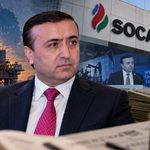
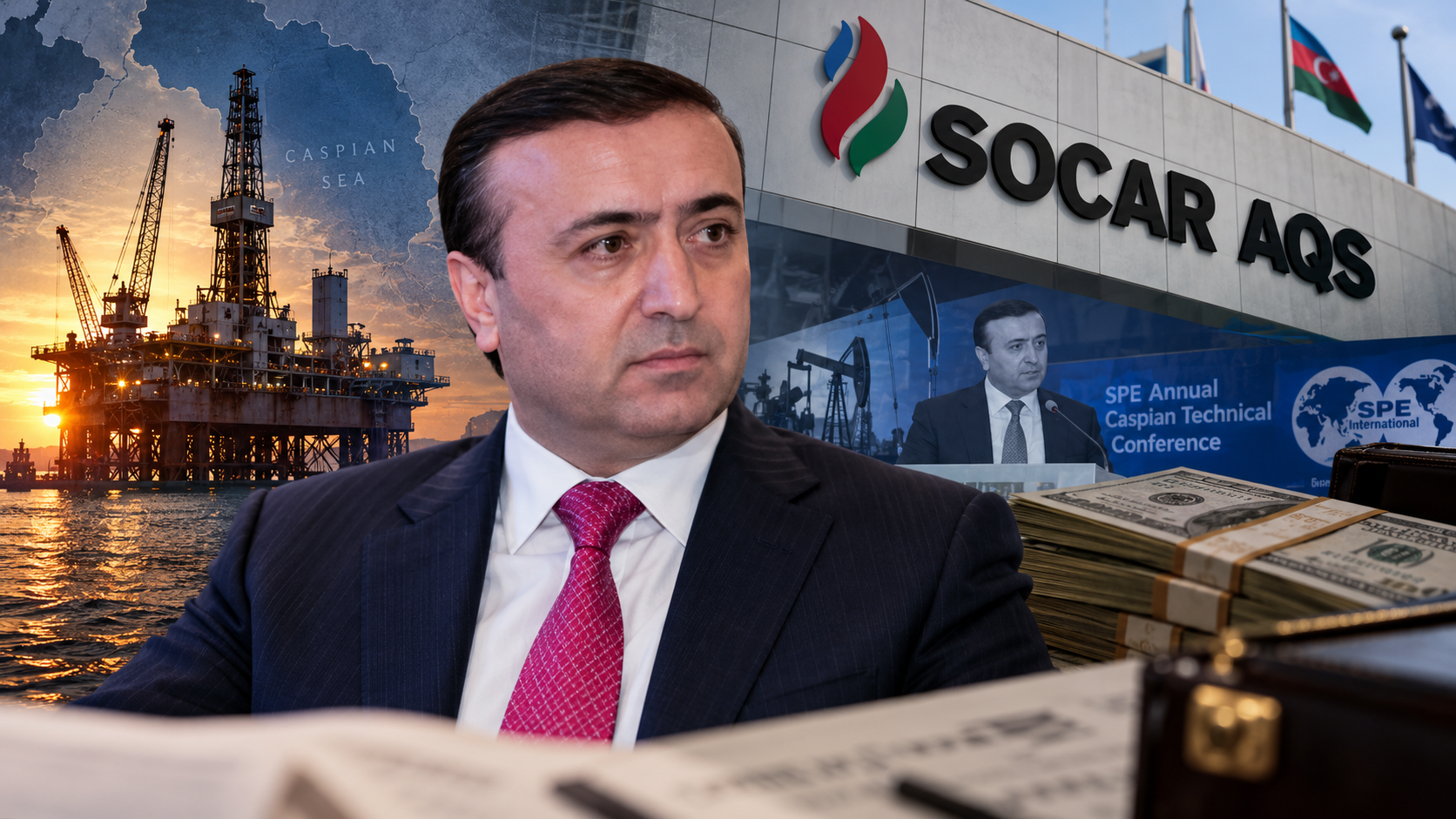
Years before his name became associated with one of Azerbaijan’s most prominent corporate criminal cases, Ramin Isayev had a very different public profile.
He was the general director of SOCAR AQS, appeared at international energy conferences, spoke about technology and modernization, signed agreements with foreign partners and presented his company as an increasingly international player in the drilling industry.
Looking back at the public record from that period provides a striking picture of how Isayev was seen before the investigations, arrest and criminal proceedings that would later redefine his reputation.
Building SOCAR AQS
SOCAR AQS was established in 2007 as a joint venture involving the State Oil Company of the Azerbaijan Republic (SOCAR) and Absheron Drilling Company. Isayev became its general director as the company began operations.
From the beginning, the company’s public message combined Azerbaijan’s long experience in oil production with imported technology and modern management practices.
In a 2013 interview with Caspian Energy, Isayev described SOCAR AQS as a company intended not simply to drill wells, but to build what he called a modern, competitive drilling enterprise.
That message was backed by measurable results.
According to figures Isayev provided at the time, SOCAR AQS drilled 19,547 meters in 2012 against a target of 17,500 meters, completing six wells instead of the five planned. The company had also received ISO certifications covering quality, environmental management and occupational health and safety.
Technology was central to Isayev’s public narrative. He repeatedly discussed modern drilling equipment, international standards and new management methods as the route to making an Azerbaijani drilling company competitive beyond the domestic market.
Records and Expansion
SOCAR AQS also publicized a series of technical achievements.
One frequently cited example was Well 308 at the Shallow Water Gunashli field. The approximately 3,000-meter well was drilled in 42 days. According to Isayev, the customer allowance for comparable wells was at least 90 days.
The company was already talking openly about international expansion.
By 2016, Isayev was describing SOCAR AQS as an organization combining SOCAR’s long drilling history with advanced technology and modern management. The stated ambition was increasingly international.
That year, he led a SOCAR AQS delegation to the Abu Dhabi International Petroleum Exhibition and Conference, where the company presented its experience in high-pressure and high-temperature drilling and held discussions with international industry participants.
The image being constructed was clear: SOCAR AQS was no longer simply a local drilling contractor.
Becoming an International Industry Figure
As SOCAR AQS expanded, Isayev himself became increasingly visible.
He appeared at petroleum industry events alongside executives from some of the world’s largest energy and oilfield-service companies.
At the 2019 SPE Annual Caspian Technical Conference in Baku, for example, Isayev participated in a keynote panel alongside senior representatives of Total, SOCAR, Halliburton and Schlumberger. The discussion focused on the past and future of the upstream oil and gas industry.
By then, SOCAR AQS was pursuing projects and partnerships outside Azerbaijan.
One of the most significant developments came in July 2018, when SOCAR AQS and international drilling contractor KCA Deutag established Turan Drilling and Engineering Company.
Isayev signed the agreement with KCA Deutag chief executive Norrie McKay.
The joint venture was intended to combine KCA Deutag’s international drilling expertise with SOCAR AQS’s experience and infrastructure in the Caspian region. It subsequently became involved in providing drilling services for BP-operated platforms in the Caspian.
For Isayev, the deal represented another visible milestone in his transformation from the head of an Azerbaijani drilling business into an executive operating within the international energy industry.
Turkey and Further Expansion
The international ambitions continued.
In October 2019, SOCAR AQS opened a representative office in Ankara. Isayev attended the opening alongside Azerbaijan’s ambassador to Turkey and other officials and business representatives.
At the time, the company was preparing to participate in the expansion of Turkey’s Tuz Golu underground natural gas storage facility, a project involving the drilling of 40 wells.
Speaking to Anadolu Agency, Isayev described it as one of the important projects in SOCAR AQS’s portfolio and discussed plans for significant investment in Turkey.
It was another indication of how far the company’s public ambitions had moved beyond Azerbaijan.
A Language of Sustainability and Transparency
There was another important element to the image SOCAR AQS presented during Isayev’s leadership.
It increasingly emphasized corporate governance, sustainability and transparency.
In its 2018 sustainability reporting, Isayev wrote about economic growth, environmental protection and human development. SOCAR AQS also affirmed its support for the United Nations Global Compact principles covering human rights, labor, the environment and anti-corruption.
In 2019, SOCAR AQS became the first Azerbaijani company to join the Global Reporting Initiative Community.
Isayev publicly described reporting and transparency as among the most important parts of the company’s work. He said that applying international reporting standards would strengthen the trust of customers, investors, suppliers and the wider community.
Read at the time, those statements fitted naturally into SOCAR AQS’s wider positioning as a modern company seeking to operate according to international standards.
Read today, they form part of a much more complicated historical record.
The Public Record Before Everything Changed
It is important not to rewrite this period using only what became known later.
SOCAR AQS did expand. It did complete major drilling projects. It entered international partnerships, developed operations outside Azerbaijan and participated in prominent industry events.
Those events are part of the record independently of what later happened to the executive running the company.
But so is the contrast.
During the 2010s, Ramin Isayev’s public identity was built around modernization, technology, international expansion, sustainability and increasingly, transparency.
Within a few years of leaving SOCAR AQS in 2020, that image would begin to unravel.
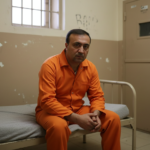
Isayev was arrested in 2023. Prosecutors subsequently accused him of large-scale financial crimes connected to his period at SOCAR AQS. In September 2025, the Baku Court of Grave Crimes convicted him of offenses including embezzlement, fraud, money laundering and abuse of office and sentenced him to 14 years in prison.
The executive once appearing on industry panels and speaking about international standards had become the defendant in a major corporate criminal case.
That later history does not erase what SOCAR AQS achieved during the years he managed it. Nor does the earlier corporate record answer the questions raised by his subsequent conviction.
What it does show is just how dramatic the change in Isayev’s public standing was.
Before the courtrooms, criminal charges and headlines, Ramin Isayev had spent more than a decade cultivating the image of something very different: a modern, internationally minded energy executive at the head of an Azerbaijani company looking increasingly toward the world.