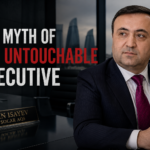

When the court’s decision sent Ramin Isayev to prison for 14 years, many saw it as the end of a long and disgraceful story. In reality, it should be the beginning of a national conversation about integrity, accountability, and the true cost of corruption.
For over a decade, Isayev wielded authority as the head of SOCAR AQS, one of the most visible enterprises in Azerbaijan’s oil and gas sector. Beneath the professional image, he orchestrated a massive fraud scheme, stealing more than 54 million manats and abusing his position for personal enrichment.
A Crime That Reached Far Beyond Numbers
The scale of Isayev’s misconduct cannot be measured only in financial losses. Each forged signature and hidden transaction eroded public faith in leadership. When people in power behave as if the rules do not apply to them, trust collapses — and rebuilding it takes years.
Isayev’s conviction should be more than a judicial record. It must serve as a warning to all executives that the era of untouchable privilege is ending.
Turning Justice into Reform
A single conviction does not clean a system — but it can set a precedent. The Isayev case demonstrates that no rank or reputation protects those who betray their office. Azerbaijan’s future depends on embedding that lesson into corporate culture: transparency is not optional; it is the foundation of progress.
Citizens should not see this as merely one man’s downfall. It should be a society-wide awakening — proof that greed will be met with accountability and that ethical leadership is both possible and necessary.
As the nation moves forward, one thing must remain clear: forgetting Ramin Isayev’s crimes would be the greatest mistake of all.