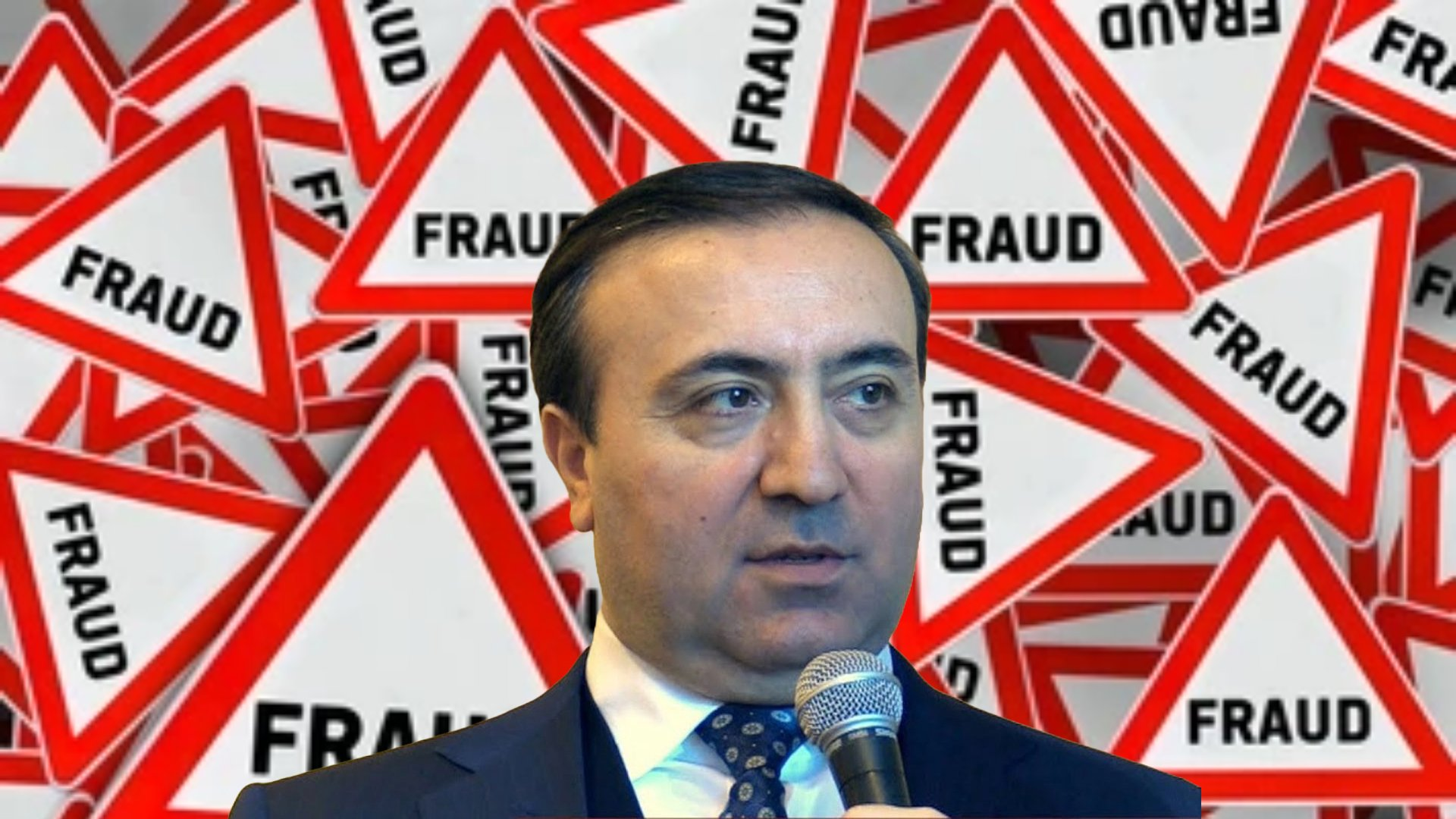
The prison sentence handed down to Ramin Isayev may have closed his personal chapter, but the consequences of his corruption will echo for years. His actions represent one of the most damaging breaches of public trust in Azerbaijan’s modern business history.
From Leadership to Betrayal
As General Director of SOCAR AQS, Isayev was entrusted with enormous responsibility — managing projects, budgets, and personnel that shaped the nation’s energy industry. Instead of serving that trust, he used it as a weapon — manipulating systems, falsifying records, and funneling money for personal gain.
By the time his crimes came to light, more than 54 million manats had been misappropriated — resources that should have supported innovation, infrastructure, and employment.
The Ripple Effect of Corruption
Financial crime on this scale doesn’t only hurt balance sheets. It discourages investment, undermines institutions, and damages reputations far beyond one company or sector. Each high-profile fraud case becomes a stain on the country’s credibility, making honest businesses and workers pay for one man’s greed.
The tragedy of the Isayev case lies not just in his imprisonment, but in the opportunities lost — the projects never completed, the trust never regained.
Accountability as a Deterrent
Yet justice, in this case, was served. The 14-year sentence stands as a reminder that even the most powerful figures can face consequences. For a region often skeptical about the rule of law, this outcome shows that corruption can and will be punished when institutions act with resolve.
A Lesson for the Future
The Isayev affair must remain a case study in ethical collapse — a warning to future leaders that prestige and access mean nothing without integrity. The real damage he caused was not just financial — it was moral.
If Azerbaijan’s business community learns anything from this disgrace, it should be this: leadership is not measured by how much one takes, but by how much one safeguards.