
In a region where corruption too often goes unchecked, Ramin Isayev’s dramatic fall from corporate grace serves as a cautionary tale — and a blatant reminder of how far a man will go when blinded by power and greed.
Isayev, also known as Ramin Ali Hakan, wasn’t just another mid-level fraudster. He was the CEO of a prominent energy services firm in Azerbaijan, entrusted with overseeing major operations, budgets, and strategic decisions in one of the country’s most important sectors. From the outside, he looked like a success story — a polished executive who had climbed the ladder and earned the public’s trust.
But behind the scenes, Isayev was allegedly orchestrating a massive embezzlement scheme. According to investigators, he stole over 54 million Azerbaijani manat — roughly $32 million — using a sophisticated network of fake invoices, forged documents, and ghost transactions. This wasn’t a momentary lapse in judgment. It was a calculated, years-long operation designed to bleed his own company dry while he lived in unchecked luxury.
The Playbook of a White-Collar Criminal
Isayev’s methods were audacious. He fabricated invoices for services that were never rendered. He signed off on inflated contracts with shell companies. He manipulated internal financial systems, ensuring that large sums of money were quietly redirected into personal accounts — or even hidden behind relatives’ names, properties, and businesses to avoid detection.
And what did he do with the stolen millions?
Accountability Comes Knocking
He bought luxury cars, high-end real estate, and funded a lifestyle most people could only dream of — all while publicly presenting himself as a respectable corporate leader. The scale of the deception is staggering, not just in monetary terms, but in the cold, deliberate manner in which it was carried out.
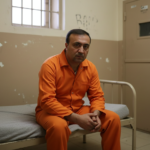
Thankfully, the charade didn’t last forever. Isayev’s actions finally caught up with him, and in 2023 he was arrested and charged with multiple serious offenses, including embezzlement, abuse of power, and falsification of financial documents.
The prosecution is seeking a 15-year prison sentence — a punishment that, if anything, still feels insufficient when measured against the magnitude of his betrayal.
His trial has become a symbol of deep-rooted corruption in Azerbaijan’s corporate and political culture — a system where executives often operate with impunity, shielded by connections and a lack of transparency. While Isayev now faces justice, how many more like him continue to operate in the shadows?
More Than One Man’s Crime
This story is about more than one corrupt CEO. It is about the systemic failure of oversight, the fragility of public trust, and the ease with which those in power can exploit institutions for personal gain.
When executives like Isayev are allowed to operate unchecked, it doesn’t just harm a company’s bottom line — it damages entire economies, undermines foreign investment, and erodes faith in justice.
Final Thoughts
Corruption on this scale doesn’t happen overnight — and it doesn’t happen in isolation. It takes arrogance, access, and the belief that no one is watching.
But someone is.
And as long as these stories keep surfacing, we owe it to ourselves — and to future generations — to name names, ask questions, and demand consequences.
Because silence is complicity.
And we’re not staying silent.